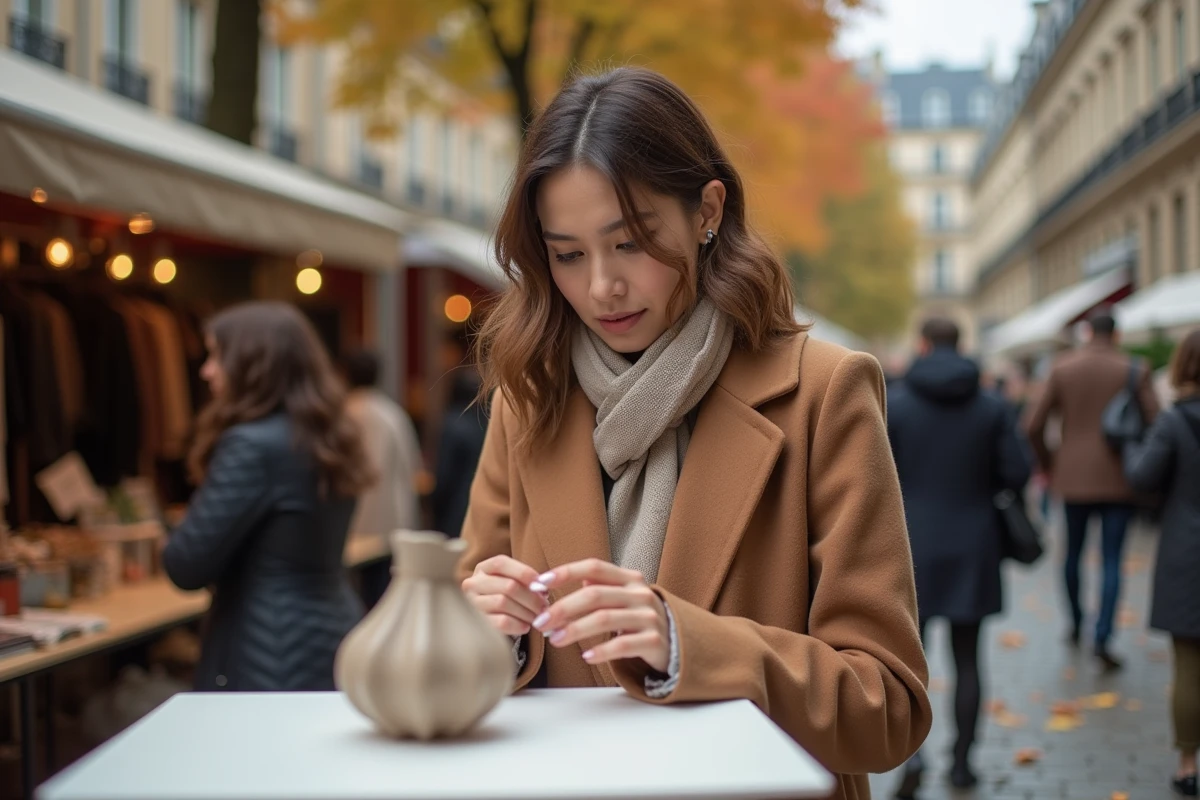
Paris in 2026 is no longer just a list of classic monuments and museums. The capital’s event offerings are restructuring around three axes: free outdoor activities as a social lever, sustainable tourism integrated into official routes, and an increasing hybridization between culture and sport inherited from the Olympic dynamic. Which events and trends truly deserve attention, and on what criteria should they be distinguished?
Free Outdoor Events in Paris: What the Formats Reveal
Most guides list the same seasonal appointments without distinguishing their urban function. Paris Plages, L’Été du Canal, and outdoor night screenings are no longer just summer activities. These initiatives now serve as levers to combat inequalities in access to culture, with the establishment of shaded areas, misting systems, and free activities for children in popular neighborhoods.
This shift changes the very nature of the event: a free festival by the Canal Saint-Denis does not carry the same weight as a paid concert at the Philharmonie. The table below compares some typical formats to clarify what separates them.
| Format | Access | Target Audience | Urban Dimension |
|---|---|---|---|
| Paris Plages | Free | Families, popular neighborhoods | Urban freshness, inclusion |
| Nuit Blanche / Nuit des Musées | Free | All audiences | Nocturnal reappropriation of space |
| Music Festival (e.g., We Love Green) | Paid | 18-35 years | Cultural economy, tourism |
| Temporary Exhibitions (Grand Palais, Fondation Louis Vuitton) | Paid | Art lovers | International influence |
What stands out: free outdoor events are gaining ground in the official programming of the City, and their ambition far exceeds mere entertainment. Those looking to discover news on Paris Avenue will find regular updates on these evolving formats.
Sustainable Tourism in Paris: What is Changing in the Routes
The Tourism Office and the City of Paris have been integrating sustainable tourism activities into their official recommendations for several years. Bike rides on secure paths, low-carbon cruises on the Seine, environmentally certified accommodations: these options are gradually changing the list of “must-sees.”
The direct consequence for a visitor: the proposed routes no longer only include the Eiffel Tower, the Louvre, and Versailles. Walks along the Canal Saint-Denis, cycling routes connecting urban parks, or local food markets are now included in the recommended outings by institutions.
- Secure bike paths allow for connecting several cultural sites without motorized transport, with routes marked by the City.
- Low-emission river cruises offer an alternative to traditional tourist buses on the Seine.
- Certified accommodations (environmental criteria) now appear as a priority in the selections of the Tourism Office.
This reorientation is not trivial. It transforms the tourist geography of Paris by pushing visitors toward less saturated neighborhoods, which also redistributes attendance among districts.
Exhibitions and Festivals in Paris: The Events that Structure the Season
On the exhibitions side, the Parisian programming remains dense. The Calder retrospective at the Fondation Louis Vuitton and the tribute exhibition to Sebastião Salgado at the Hôtel de Ville de Paris are among the events that attract an audience beyond the usual gallery-goers.
However, it is in the festivals that the clearest trend appears. The culture-sport hybridization marks the programming since the Olympic dynamic: public races, free initiations in public spaces, festivals combining music and physical activities. The “Terre de Jeux” label has accelerated this movement, and its effects persist well beyond the closing ceremony.
Art and Street Art in the Greater Paris
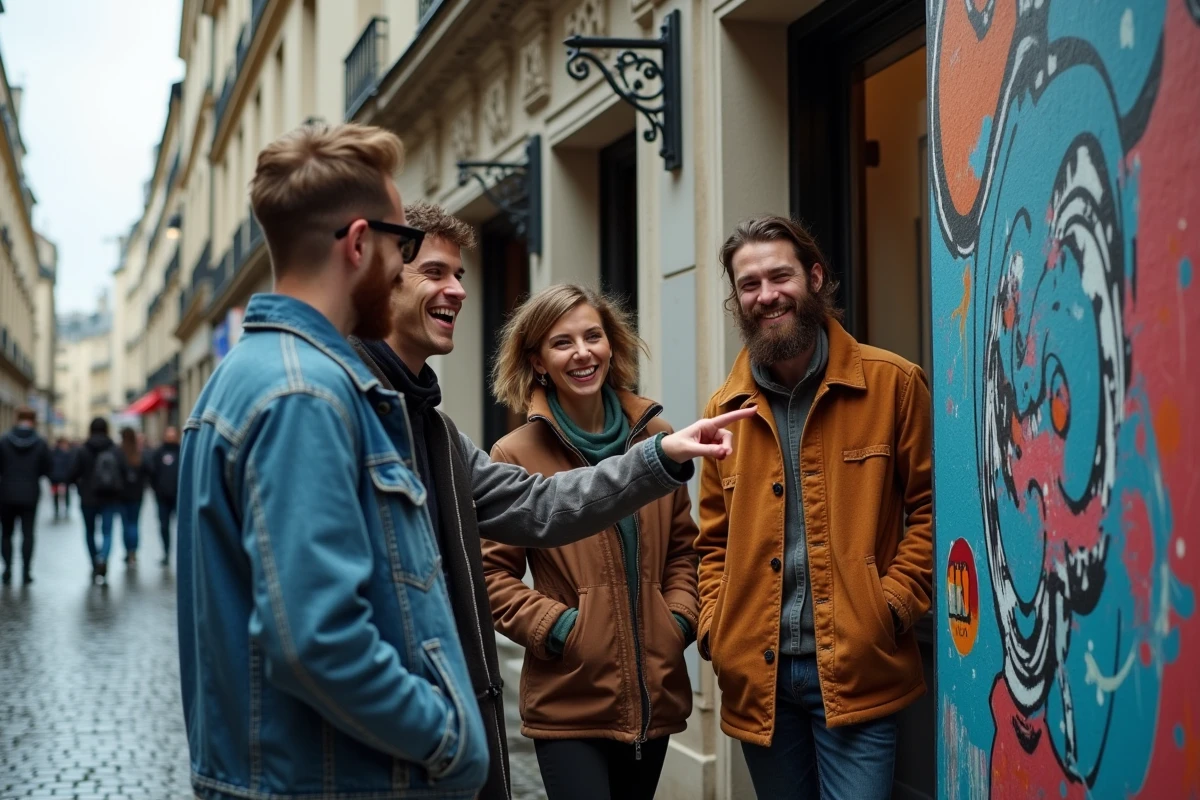
The street art along the Canal Saint-Denis, between Aubervilliers and Paris La Villette, illustrates another shift. These free-access artistic paths take contemporary art out of museum walls and place it in areas undergoing urban transformation.
The Paris Gallery Weekend, with its openings and free exhibitions spread over several days, extends this logic of démocratisation of access to contemporary art. The format is designed for an audience that does not necessarily frequent galleries the rest of the year.
Restaurants and Nightlife in Paris: The Subtle Signals of the Season
The Parisian gastronomic scene is renewing itself from its margins. The opening of establishments like Calcifer (fire cooking) or Présent (vegan bistro) signals a shift towards more defined concepts, where culinary positioning takes precedence over decor.
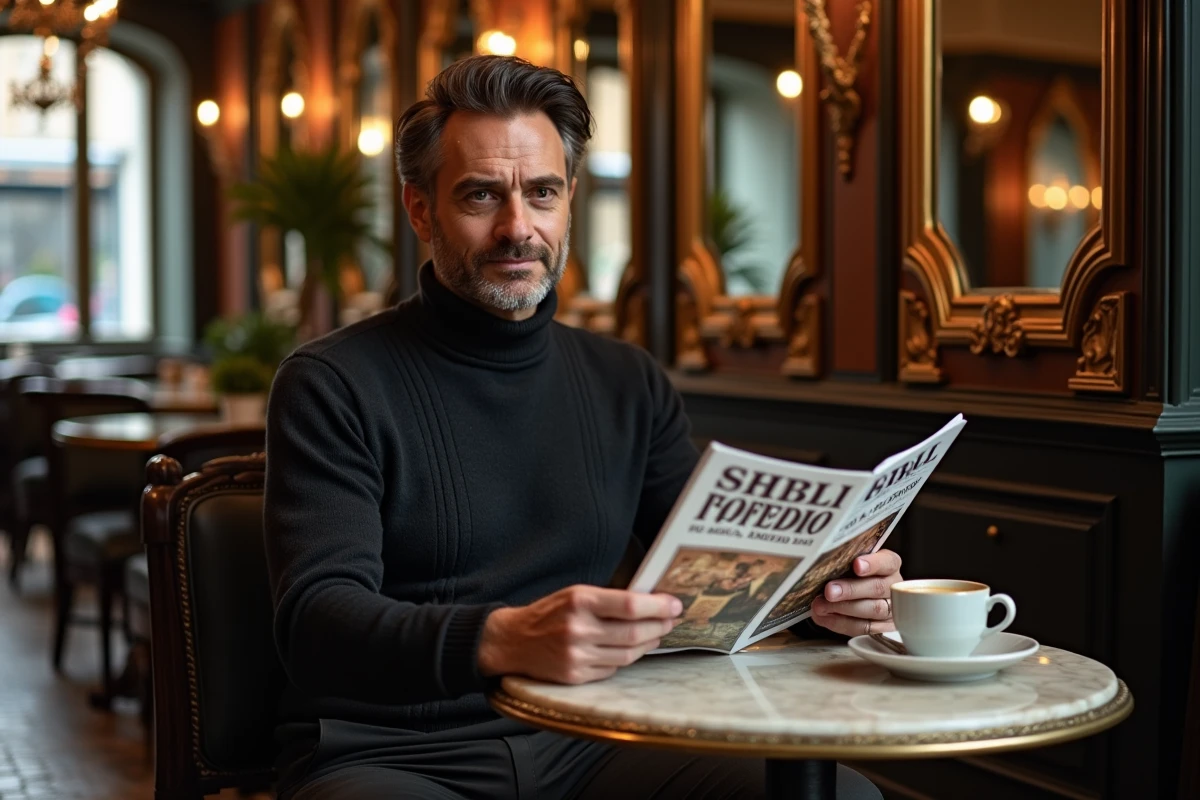
On the bar side, places like Out of the Blue, which mix wine and cinema, confirm a trend towards hybridization between dining and cultural experience. The restaurant or bar is no longer just a place of consumption, but a complete evening program.
- Unique concept tables (fire, strict vegan, raw product) are gradually replacing generalist bistronomies in recommendations.
- Culturally programmed bars (screenings, themed DJ sets, guided tastings) attract an audience looking for more than just a drink.
- The Parisian nightlife remains structured by techno parties and historic clubs, but ephemeral outdoor venues are gaining visibility each season.
Roland-Garros and Major Sporting Events
The Roland-Garros tournament remains a strong seasonal marker, and the Open de Paris Handisport reinforces the inclusive dimension of Parisian sports programming. Sport in Paris now functions as a cultural event, with fan zone spaces, public screenings, and free initiations around major competitions.
The map of Parisian events is no longer read as a fixed catalog. The boundaries between culture, sport, gastronomy, and urban planning blur each season, and it is in these overlapping areas that the most revealing appointments of what Paris is becoming are concentrated.