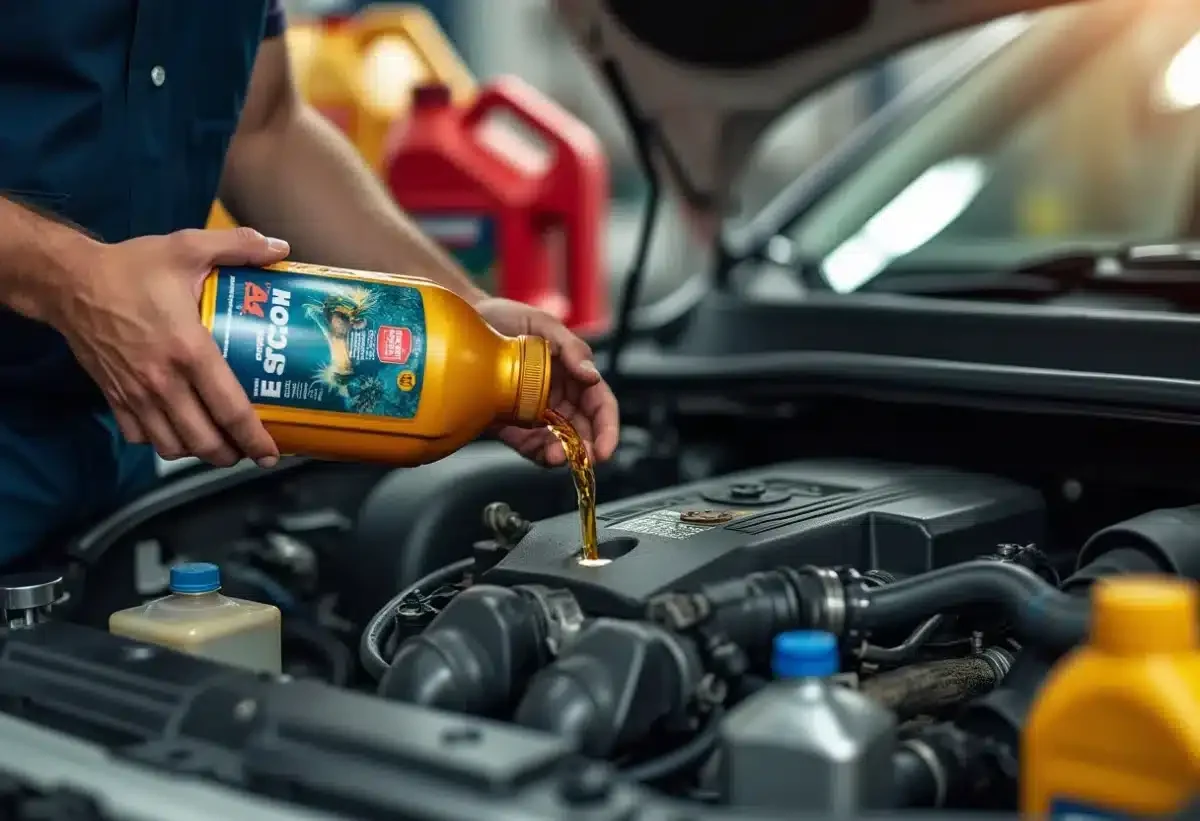
Maintaining an engine in perfect working order requires special attention, especially when it comes to choosing the right oil. Selecting the appropriate oil is not just a simple decision. The vehicle’s performance, longevity, and fuel efficiency heavily depend on it.
Different types of oils, each with its own characteristics, can seem confusing. Viscosity, additives, standards, and specifications are all criteria to consider for making an informed choice. A wise choice can prevent premature wear of parts and ensure optimal performance.
Understanding the Roles and Types of Engine Oils
Engine oil plays a fundamental role in the proper functioning of the engine. It lubricates, protects, cools, cleans, and seals the engine. By reducing friction and dissipating heat, it decreases wear on parts and optimizes vehicle performance. Various types of oils exist, each suited to specific needs.
The Different Types of Engine Oil
- Mineral Oil: the first oil to have existed, it is suitable for older, low-powered engines without turbos. It should be changed every 6 months to 1 year or 2,500 to 5,000 km.
- Semi-Synthetic Oil: it allows for longer change intervals, from 1 to 2 years or 10,000 to 20,000 km. It combines the benefits of mineral and synthetic oils.
- Synthetic Oil: ideal for newer engines (post-2000), it offers optimal performance and change intervals similar to those of semi-synthetic oils.
Viscosity and Specifications
The viscosity of an oil refers to its fluidity depending on temperature. A low viscosity (0W or 5W) means the oil remains fluid at low temperatures, while the second index (W30, W40, or W50) indicates fluidity at high temperatures. Engine oils must also meet standards such as C3 C4 to ensure compatibility with modern engines, especially those equipped with particulate filters and turbochargers.
A good understanding of these elements allows you to choose an oil that not only protects the engine but also contributes to reducing CO2 emissions and saving fuel.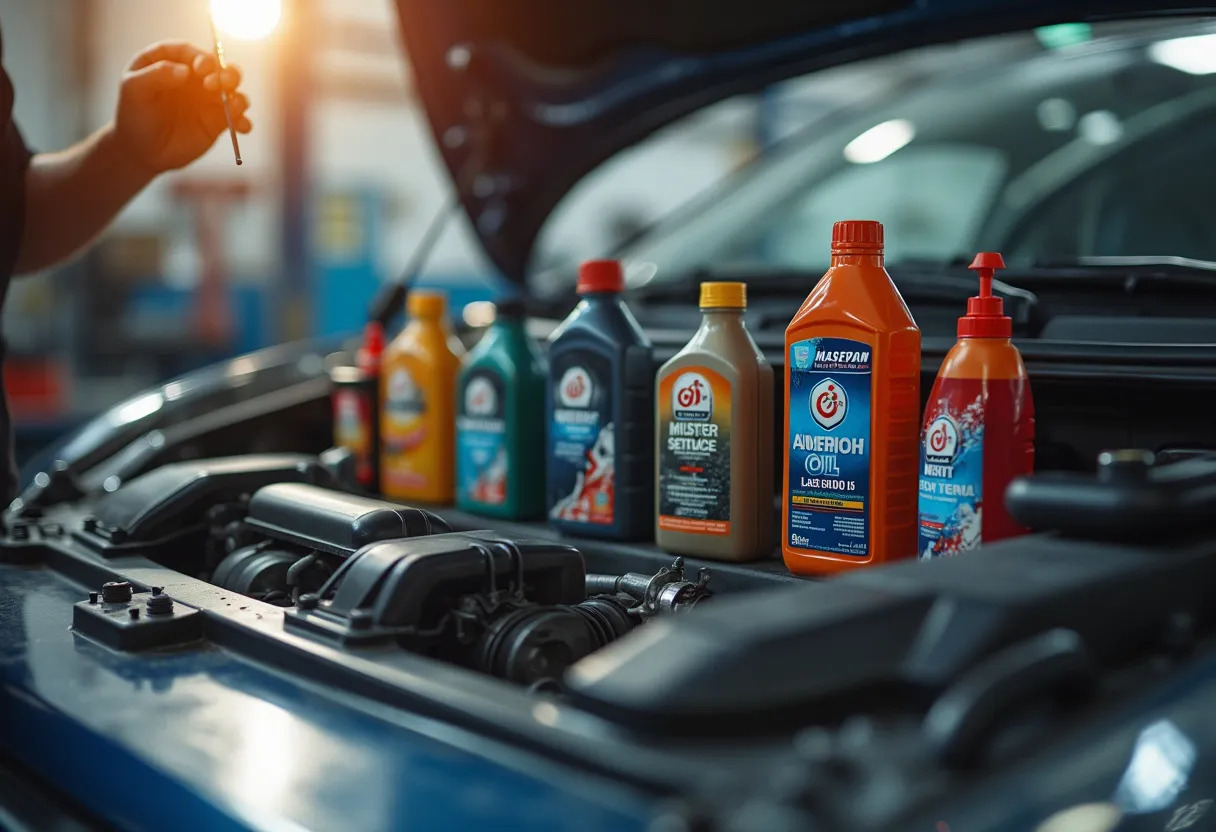
Choosing the Right Oil for Your Vehicle and Driving Conditions
To select the ideal engine oil, several criteria must be considered. Check the recommendations in your vehicle’s maintenance manual. This document usually mentions the viscosity specifications and standards to be followed, such as ACEA (European Automobile Manufacturers Association) and API (American Petroleum Institute).
- Particulate Filter (DPF) and Turbocharger: recent vehicles equipped with these technologies require synthetic or semi-synthetic oils to ensure optimal protection. Avoid mineral oil.
- Driving Conditions: urban use with frequent stops requires an oil capable of withstanding many cold starts, while prolonged highway trips necessitate an oil that maintains its viscosity at high temperatures.
Specific Standards and Recommendations
Some manufacturers, such as those in the Volkswagen group, impose specific standards for their engines. Follow the recommendations to avoid mechanical issues. For example, vehicles equipped with particulate filters (DPF) or turbochargers should not use mineral oil, as it may damage these sensitive components.
The Benefits of Synthetic and Semi-Synthetic Oils
Synthetic and semi-synthetic oils offer undeniable advantages, including:
- Better resistance to high temperatures and increased protection against wear.
- A reduction in CO2 emissions and fuel savings, contributing to more eco-friendly driving.
Adapt your choice of oil based on these criteria to optimize the lifespan and performance of your engine.