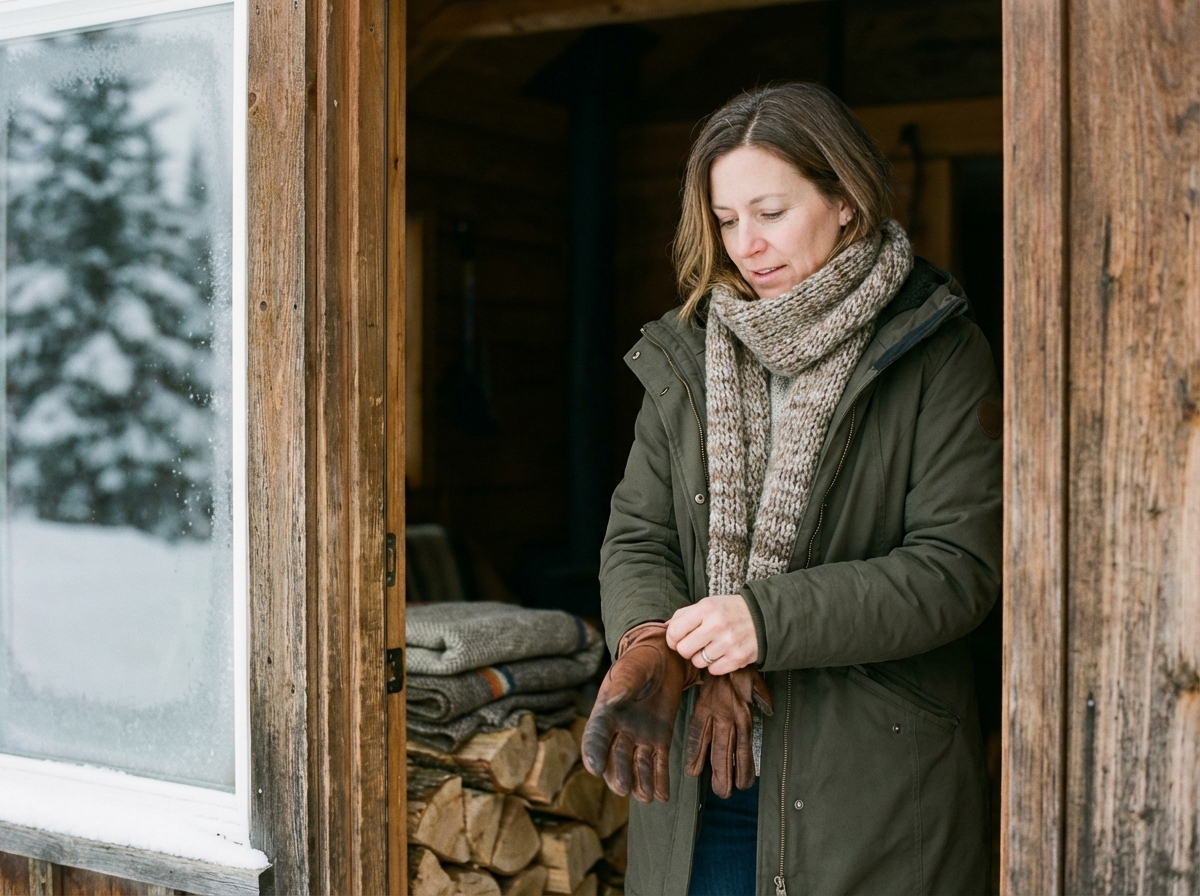
Ignoring the wind during a winter outing can double the risk of hypothermia, even with standard equipment. Some insulating materials lose up to 30% of their effectiveness when exposed to moisture, while most popular advice overlooks this factor.
The accumulation of physical fatigue, combined with a simple planning error, is among the main causes of incidents in winter hiking. Anticipating these technical and human details allows for a safer approach to the cold season.
Why winter requires specific preparation for your outdoor activities
Negative temperatures do not forgive. In France, each cold snap reminds us of the need for heightened vigilance regarding the risks associated with the winter season. Whether going out to walk, hike, work outdoors, or simply move around in the snow, one must go well beyond superficial adaptation. The intense cold puts the body to the test and demands meticulous organization: choosing each piece of clothing, planning the stages, anticipating the unexpected.
Prudence must guide every decision. Recommendations from Nordic countries are clear: never underestimate the power of the wind, nor the speed at which body temperature can drop. Accidents strike where vigilance wanes, when assurance takes precedence over preparation. Protecting one’s health and safety is not an option, especially when the mercury flirts with negative values for days.
Fortunately, today’s equipment has adapted to these demands. The women’s heated jacket embodies this technical evolution, providing targeted warmth during all outdoor activities. If you want to check the reliability of these innovative garments, the article “What is the battery life of women’s heated jackets? – EuroZine” offers concrete answers. This kind of protection is a game changer, especially during extended breaks or long walks, where heat loss becomes a serious issue.
Every outing requires tailored preparation. With snow, the scenery changes, but so do the markers: reduced visibility, impassable trails, equipment put to the test. Anticipating these realities is choosing to preserve safety and well-being, even when winter seems to want to dictate its law.
Which equipment and protections to prioritize to face the cold without compromise
When winter imposes its demands, the choice of extreme cold gear becomes a sine qua non condition. Relying on layering clothing remains the most reliable solution. The base layer, ideally made of merino wool, ensures both warmth and moisture management. Next comes an insulating layer: wool or high-performance synthetic materials. Finally, the waterproof jacket serves as a barrier against snow and wind, major obstacles to maintaining a stable body temperature.
Here are the protections to remember for assembling reliable gear:
- Gloves: choose models that offer insulation suited to the day’s climate. Wool-lined versions are particularly effective against biting cold.
- Neck gaiter: this simple accessory limits heat loss at a particularly sensitive point.
- Hiking boots: opt for waterproof and high-top models, ensuring stability and warmth even on snowy trails.
Adapt your gear list for each outing. The backpack should always contain: spare clothing, a headlamp, and a survival blanket. For camping enthusiasts, choosing the sleeping bag and ground mat is crucial for a trouble-free night. The combination of this equipment limits the risks of hypothermia, enhances safety, and allows for enjoying hiking with confidence, even when each step sinks into the snow.
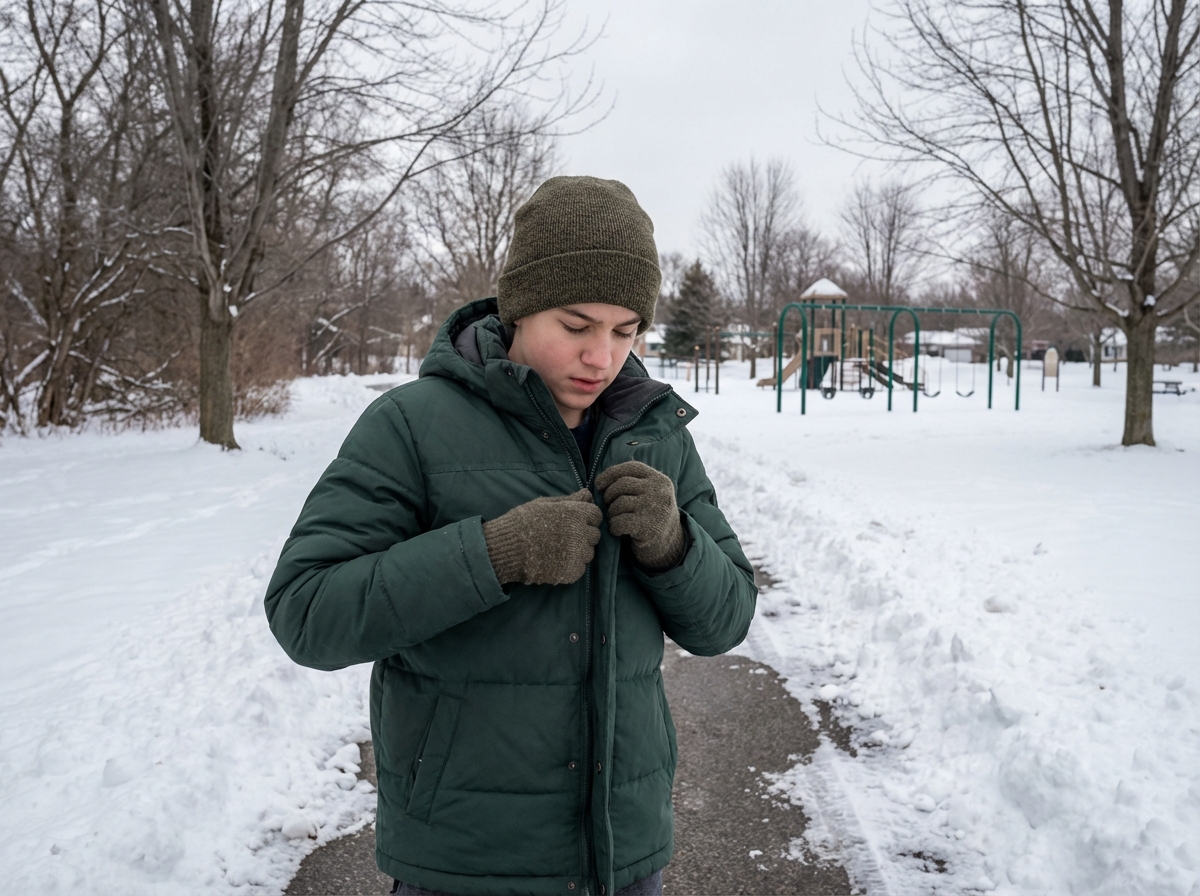
Successfully navigating winter outings: safety, camping, and physical preparation at the heart of the adventure
In winter, improvisation has no place. Safety guides every hike, every camp, every excursion in the snow. Before setting out, take the time to check the weather, identify alternative routes, inform someone close about your plans, and double-check the gear list. An oversight, no matter how trivial, can quickly turn into a complication under a white blanket.
The body must also be prepared. A few weeks before the cold season, give yourself targeted training: strengthening endurance, breathing, and muscle resistance. In the mountains, fatigue sets in quickly and requires heightened vigilance. The slightest fall or injury takes on a different dimension when the thermometer plummets. Plan regular breaks to drink, eat, and adjust your gear: small gestures that make all the difference against hypothermia.
Winter camping requires rigor and method. Set up your shelter away from the wind, on stable ground. Slip an insulating mat between the snow and your sleeping bag to limit cold transfer. Store winter gear in waterproof bags and protect all electronic devices from frost and moisture. At night, keep your headlamp, water, and dry clothing close to you. Every detail counts: starting a fire takes patience, handling equipment with gloves slows down all actions, and vigilance must never wane.
Winter imposes its rhythm: serious preparation, suitable equipment, and constant attention. Those who comply discover another facet of nature, more demanding, but also full of unexpected promises.