
A raw wood piece never lasts long under the daily assaults. Marks from glasses, scratches, or light that dulls the tone: without protection, wood always ends up losing the battle. However, there is a reliable solution, favored by both professionals and enthusiasts: wood varnish. More than just a finishing product, it guarantees preserved wood, ready to withstand the years and usage. Its promise? To enhance the material, reveal its nuances, while providing long-lasting protection.
Choosing the right wood varnish: an overview of options
Before even opening the can, one must consider the type of varnish. The market is full of options, and each product serves a specific purpose. To guide your choice, here’s a clear overview of the main wood varnishes and their specifics:
- Polyurethane varnish: designed to withstand repeated use and daily impacts, this varnish is essential on high-traffic surfaces, such as floors. It creates a strong, protective layer, perfect where the wood faces constant wear.
- Acrylic varnish: water-based, it stands out for its easy application, quick drying, and reduced odor. This choice is ideal for indoor furniture, especially in living spaces where limiting chemical emissions is preferred. The result: a clear, bright finish that respects the environment.
- Marine varnish: crafted to withstand rain, humidity, and salty air, it protects wood exposed to the outdoors or in regular contact with water. A reliable ally for shutters, terraces, or garden furniture.
- Cellulosic varnish: it dries extremely quickly and allows for a smooth surface in record time. It is mainly found on furniture but also on musical instruments where the precision of the finish is as important as the speed of application.
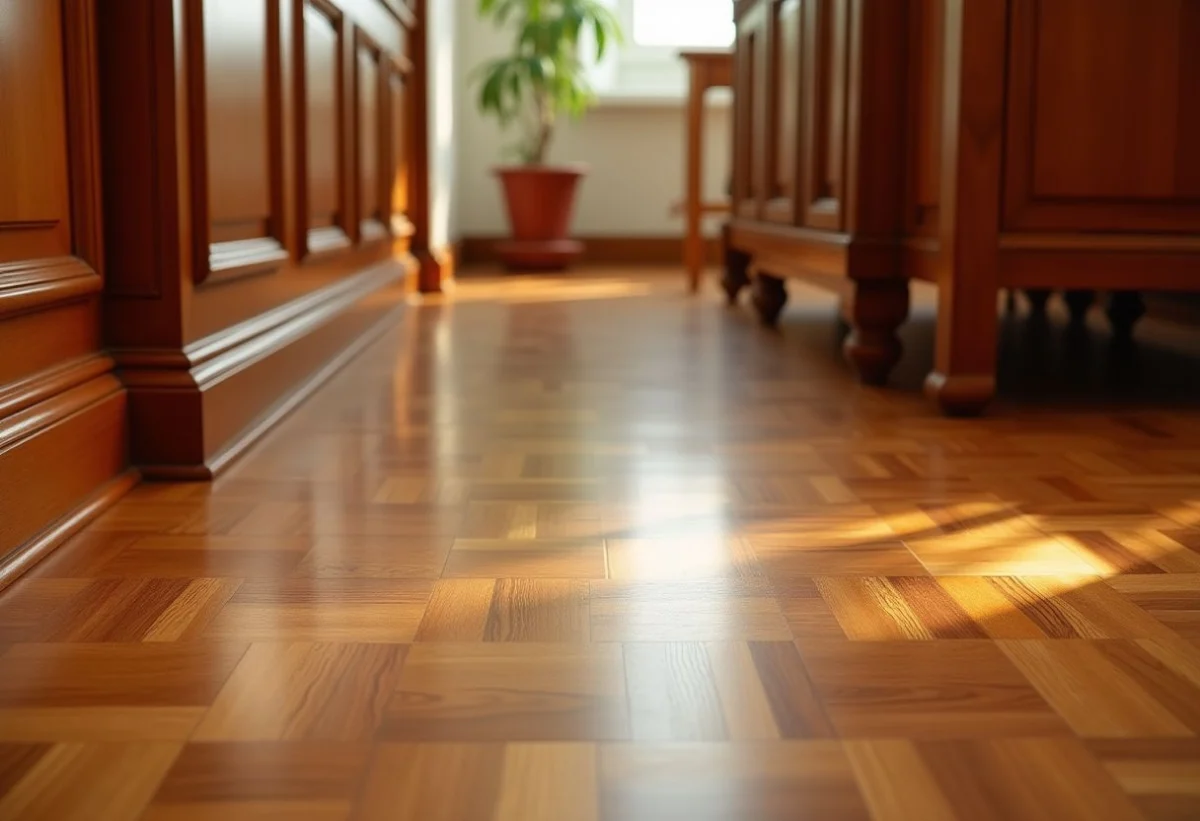
Why varnish wood?
Protecting, beautifying, and simplifying maintenance: wood varnish serves multiple purposes at once. Its primary strength: it acts as an invisible armor. A varnished piece of furniture resists scratches, stains, and humidity that threaten the wood at the slightest mishap. The difference is noticeable over time, day after day.
Another significant advantage: protection against ultraviolet rays. Without varnish, the wood’s color fades, dulls, and loses its natural shine. Varnishing acts as a barrier to light, allowing the original hue to withstand the seasons without weakening. Finally, cleaning varnished surfaces is effortless: a quick wipe with a damp cloth is all it takes, whereas raw wood absorbs everything. It’s the beauty of the wood that remains preserved, without ever sacrificing ease of maintenance.
Properly applying wood varnish: method and tips
Achieving a flawless result is neither a matter of chance nor magic. It’s about method and care. Here are the key steps to successfully finish your project:
- Prepare the surface: every application starts with meticulous sanding. This involves removing roughness, stains, or dust to ensure optimal adhesion of the varnish.
- Apply the varnish: use a quality brush or a suitable roller, then spread the product following the direction of the wood. It’s better to apply several thin coats than one thick one, to avoid defects.
- Drying and between coats: allow the varnish time to harden before applying the next layer. A light sanding between each coat helps achieve a silky touch and a perfect finish.
- Final finish: for those who want to enhance the result, a gentle polish after the last coat adds an extra shine, almost mirror-like.
Mastering wood varnish opens the door to an infinite number of projects: refreshing an inherited dresser, giving new life to a tired floor, or adding character to a unique handmade piece. The right techniques, the right products, and you’re set: the wood endures through the years, equipped to face both accidents and admiration. With every touch, every captured reflection, the satisfaction of having preserved and enhanced a living material is felt. The varnish, far from being a mere formality, becomes the final word in a story between the wood and its creator.