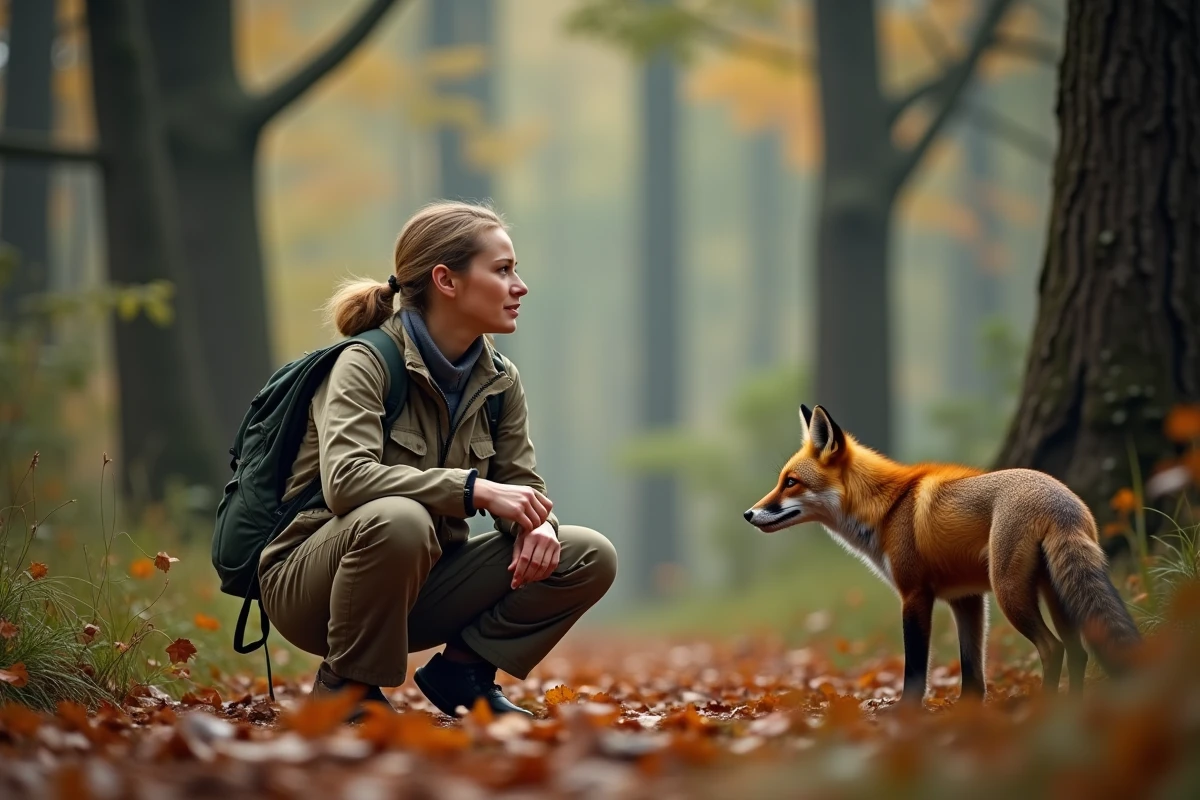
The global animal biodiversity remains poorly understood by the general public. Taxonomists describe new species each year, while others disappear before they are even cataloged. Understanding animals, their biological needs, and the pressures they face requires moving beyond the usual shortcuts regarding companion or farm species to look at the entirety of life.
Animal Behavior: What Science Observes Beyond Appearances
Research in ethology has profoundly changed the understanding of species behavior. Corvid birds (crows, magpies) make tools, octopuses solve mechanical problems, and dogs interpret human facial micro-expressions that other primates do not perceive.
These discoveries have a direct impact on how we assess an animal’s well-being. A stereotypical behavior almost always signals an unsuitable environment. The repetitive swaying of a captive elephant or the compulsive licking of a cat confined in too small a space are documented signals.
Field reports, however, diverge on how to objectively measure animal suffering. Assessment protocols vary from country to country, and physiological indicators (cortisol, heart rate) cover only part of the picture. A useful resource for exploring animals on AlmAnimal helps to better understand the biological specifics of each group.
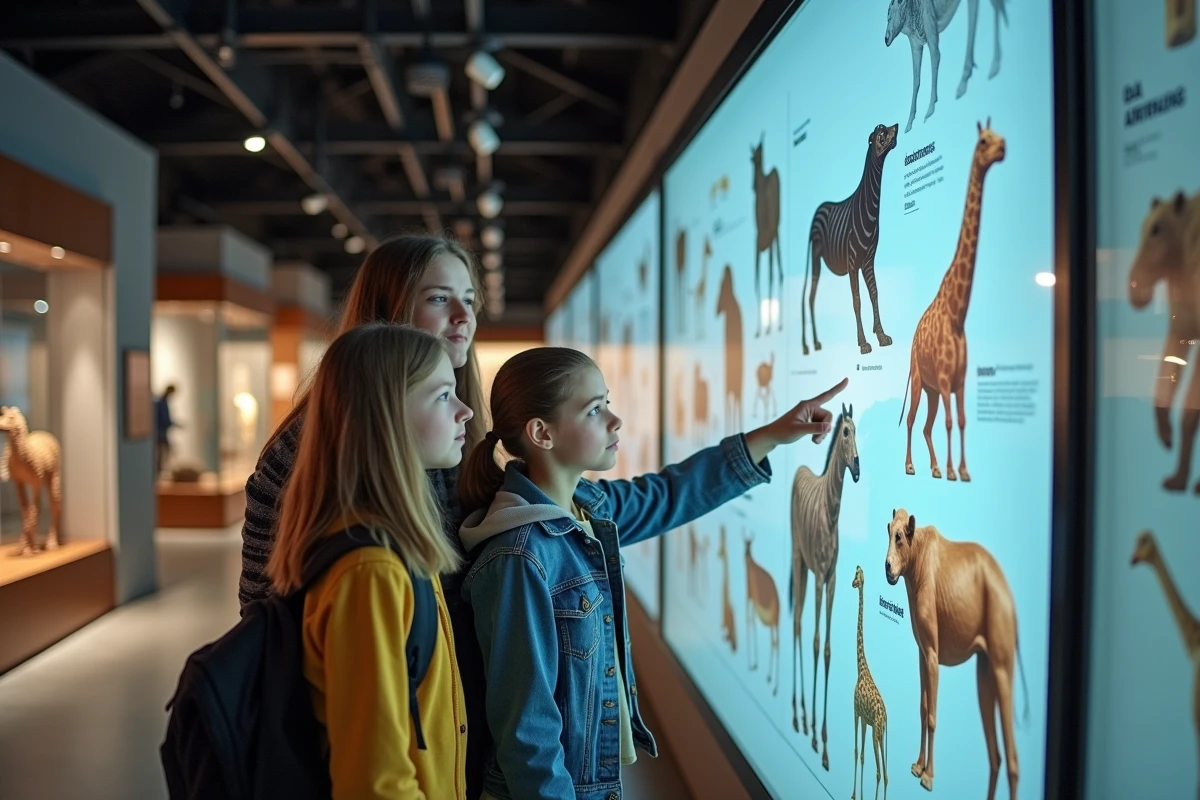
Companion, Farm, and Wild Species: Very Different Legal Statuses
In France, the Civil Code has recognized animals as “living beings endowed with sensitivity” since 2015. This wording has not unified their status. The legal framework distinguishes three main categories: domestic animals, livestock (farming), and wildlife.
A dog or cat benefits from criminal protection against mistreatment. A farm animal falls under the Rural Code, where the standards mainly concern transport and slaughter conditions. Wildlife, on the other hand, is governed by the Environmental Code and international conventions such as CITES.
Why These Distinctions Are Problematic
The law treats species with comparable cognitive abilities and sensitivity to pain differently. A pig and a dog share similar social skills, but their legal protection is not symmetrical.
The available data do not allow us to conclude that these legal categories accurately reflect current scientific knowledge. The gap between ethology and law fuels an ongoing debate.
Threats to Biodiversity: Known Pressures and Blind Spots
The five major pressures on animal life have been identified for several decades: habitat destruction, overexploitation, invasive species, pollution, and climate change. Their hierarchy varies according to ecosystems.
- Tropical deforestation remains the primary factor in the loss of terrestrial species, fragmenting the ecological corridors on which large mammals and migratory birds depend.
- Light pollution disrupts the reproductive cycles of nocturnal insects and disorients migratory birds in urban areas, a phenomenon still under-documented.
- Microplastics accumulate in marine food chains, from filter-feeding organisms (mussels, oysters) to higher predators.
- The introduction of invasive species (feral cats, rats, Asian hornets) disproportionately affects island wildlife and pollinators compared to what their size would suggest.
The most threatened species are not always the most publicized. Amphibians are experiencing a higher extinction rate than mammals, yet they attract significantly less attention from the public and funders.

Protecting Animals in the City: What Works and What Remains Unclear
Growing urbanization is changing the coexistence between humans and wild animals. Foxes, peregrine falcons, hedgehogs, and bats occupy ecological niches in the city that few people suspect.
Urban biodiversity corridors produce measurable results where they have been implemented: wildlife passages under roads, green roofs, and the removal of nighttime lighting in certain parks. In contrast, the effectiveness of standardized “insect hotels” sold in garden centers is debated among entomologists.
Pets in Urban Environments
The domestic cat is the most widespread carnivore in French cities. Its impact on small wildlife (songbirds, lizards) is documented and significant. Spaying and keeping indoors during nesting periods are among the most widely agreed-upon recommendations.
For dogs, the issues are more about behavioral health. A dog that does not go out enough develops issues comparable to those of a captive animal. Veterinary behaviorists emphasize the distinction between a “calm” animal and a resigned one.
Limits of Current Knowledge on Animal Life
The majority of known animal species are invertebrates, particularly insects. Research on their cognition and sensitivity lags far behind studies conducted on mammals and birds.
- Fish have long been excluded from animal welfare protocols, even though their ability to feel pain is now recognized by the scientific community.
- Marine invertebrates (cephalopods, crustaceans) are subject to initial legislation in the UK, but not yet in France.
- Data on wild insect populations are patchy, complicating the precise assessment of their decline.
These gaps are not anecdotal. They directly condition conservation policies and research funding choices. Protecting species that we know little about remains largely an exercise based on approximations, even with the best ecological models available.
Understanding of animals is progressing, but unevenly across taxonomic groups and regions of the world. Charismatic species (big cats, cetaceans) capture the majority of funding and media attention. The most concrete challenge for the coming years lies with ordinary wildlife, the kind that structures ecosystems daily without ever making the headlines.