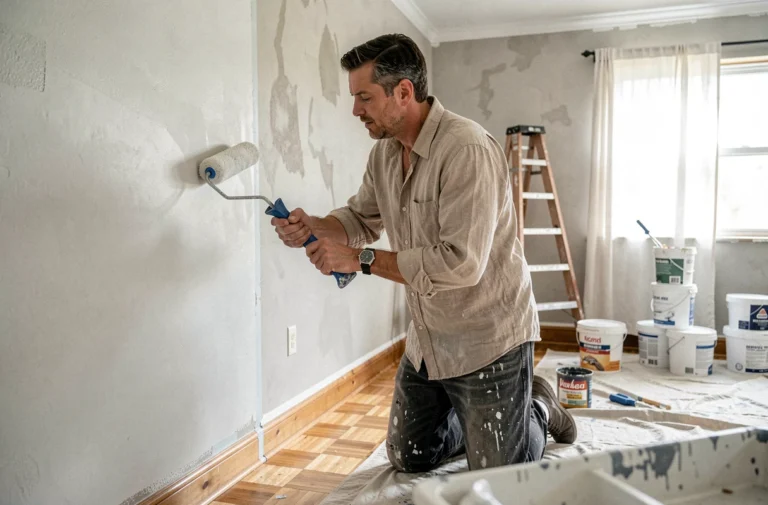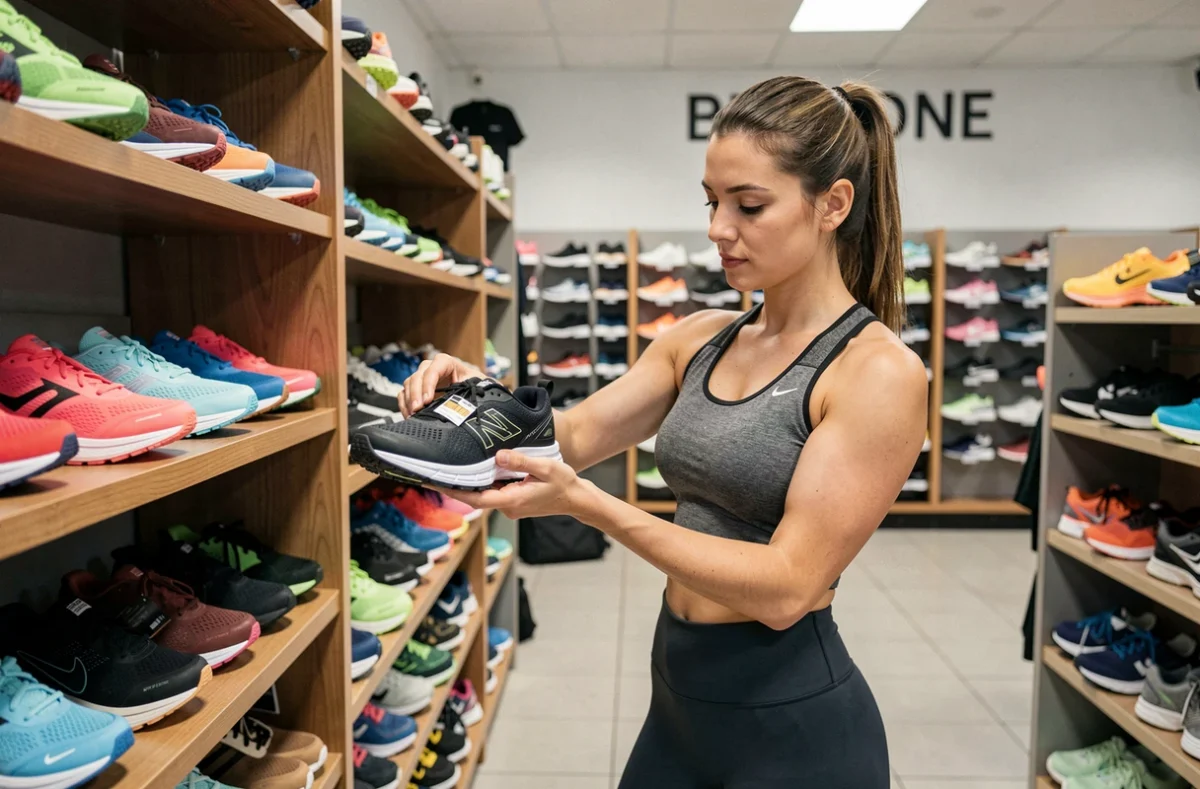
Sports equipment should not be chosen based on a spec sheet. It should be chosen on the field, with the real-world constraints of the venue in mind and a budget that includes post-purchase adjustments. CE marking on a helmet or protective gear does not guarantee compliance with your sport’s federation requirements, and a multisport wheelchair with perfect specifications may prove unusable if the gym doors are too narrow to get through.
CE marking and federation standards: check both before you buy
Protective equipment is not automatically PPE just because it is worn during sport. Its protective function and the risk it addresses determine its regulatory status. CE marking, instructions in French and guidance on service life are the three minimum checks.
A common pitfall is relying on CE marking without checking the rules specific to your sport. Requirements vary depending on the context (recreational use, training or competition). Shin guards that comply with a European standard may not be approved by the relevant federation for competition. The regulatory guide published by Club-Shop clearly distinguishes between these requirements and points out that a cited standard is not necessarily mandatory for every use.
Before confirming a purchase, we recommend checking your federation’s sporting regulations for the current season. Updates are frequent, and equipment that complied last year may no longer do so.
To compare the available ranges of protective gear, footwear and technical accessories, Angel Sport’s equipment covers a wide range of sports, with product pages detailing the applicable standards.
Equipment and venue compatibility: the test nobody does
Equipment that looks suitable on paper may be unusable in your gym. This is a common issue in parasports, but it also affects able-bodied athletes who buy bulky equipment without measuring the space they have available.
Parasports: wheelchair dimensions versus venue dimensions
A sports wheelchair is often wider than a standard wheelchair. Changing-room doors, access corridors and storage areas all affect how practical it is for everyday use. A ministerial response reported by La Gazette des communes describes accessibility standards for sports facilities that are being developed as part of the National Sport and Disability Strategy 2030.
Until these standards are in place, checks must be done manually. Before making a purchase or applying for funding, measure the venue’s access points and compare them with the dimensions of the equipment you are considering.
At-home or gym workouts: the same rule applies
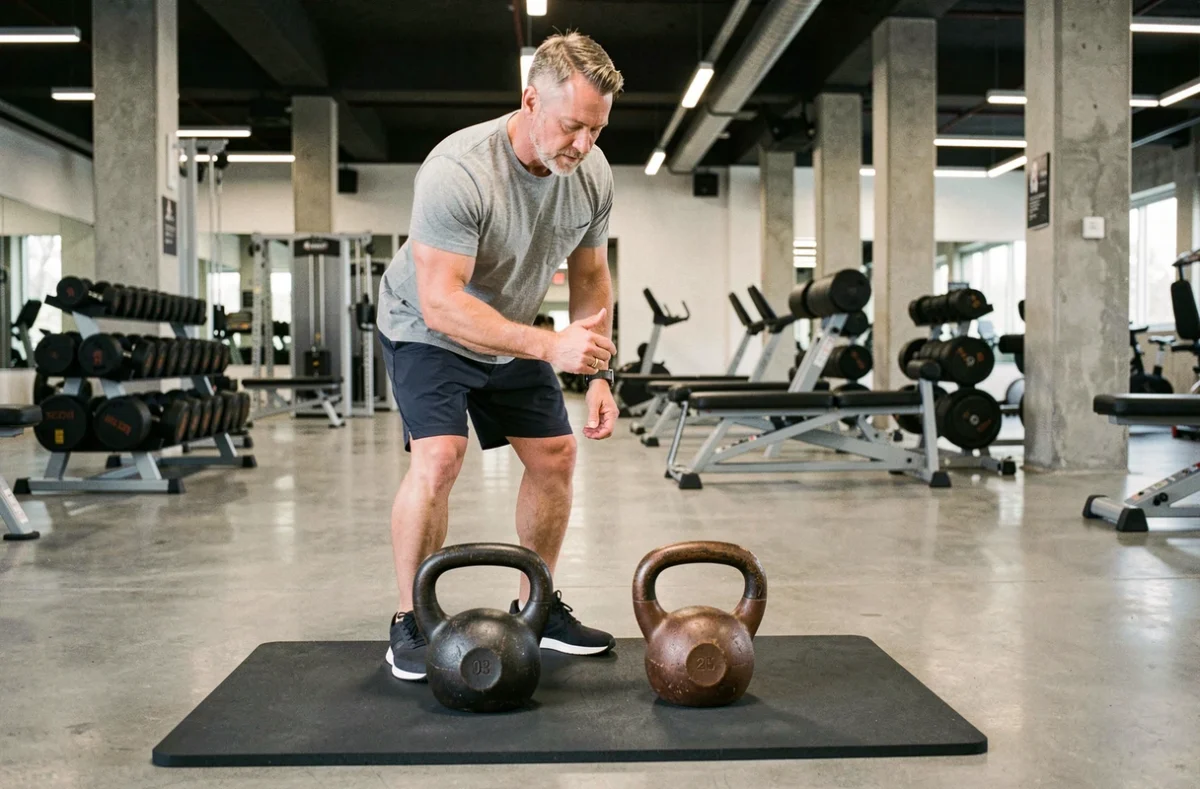
A folding rowing machine that needs two metres of clearance to unfold, or a treadmill that is longer than the available room: these are common purchasing mistakes. Product specifications give the folded and unfolded dimensions, but rarely mention the safety clearance needed around the equipment.
- Measure the available floor space, including the rear and side clearance needed for safe use
- Check the ceiling height if your workouts involve movements with a wide range of motion (kettlebell exercises, standing presses, jump rope)
- Check the floor’s maximum load capacity if you are considering a weight rack or lifting platform
Funding adjustments: who pays for what after purchase
The listed price of sports equipment is almost never the final cost. Between support accessories, replacement parts and ergonomic adjustments, the actual budget often significantly exceeds the catalogue price.
For parasports, a call for projects launched by the Le Sport a du Cœur association and reported by the French Modern Pentathlon Federation in November 2026 offers eligible clubs a grant of multisport wheelchairs. This option is for club use, not individual purchases, but it can significantly reduce the financial burden on nonprofit organizations.
For individual athletes, post-purchase adjustments are still their responsibility in most cases. Here are some common costs that are often overlooked:
- Custom orthotic insoles for running shoes: a recurring expense that needs to be renewed as they wear out
- Straps, cushions and adapted backrests for a sports wheelchair: these support accessories are not always included
- Professional bike fitting: the frame may be the right size, but the riding position may still need adjusting
- Replacing protective gear after an impact, even if there is no visible damage: a helmet’s service life is limited by the instructions, not its appearance

How to choose sports equipment: prioritize instead of checking every box
Consumer articles list around ten criteria and give them equal weight. In practice, three criteria matter most; the rest are secondary.
The first is safety, verified through regulatory status (CE marking, federation approval), not subjective impressions. A comfortable mouthguard that does not meet your sport’s standards is useless in competition.
The second is fit. Size, weight and range of motion can all be measured. Running shoes should be chosen after a gait analysis, not by reading an online comparison. A sports wheelchair should be adjusted to the user’s measurements, not selected based on a standard size.
The third is compatibility with the venue. As explained above, equipment that cannot fit through the changing-room door or does not fit in the available space is a poor purchase, regardless of its theoretical performance.
Comfort, durability and appearance come next, but they can never make up for a shortcoming in the first three criteria. Safe, properly fitted equipment that works in its real-world setting is the foundation of a lasting sporting routine.
Your level of experience shifts the balance between these criteria without changing their order. Beginners need safe, correctly sized equipment before focusing on performance. Competitors have the same needs, with greater precision required for every adjustment. The principle remains the same; only the level of detail in the selection process changes.