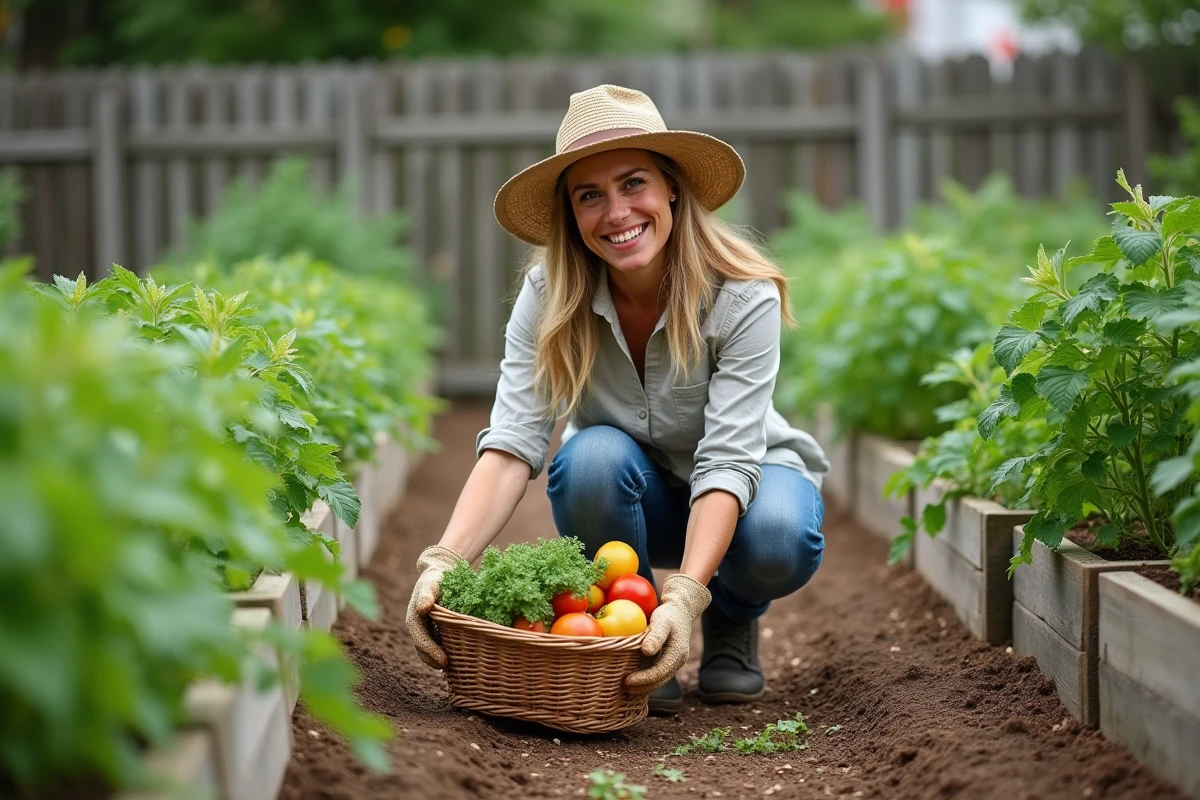
An overly nitrogen-rich soil hinders the growth of root vegetables. This is a surprising truth, as the common belief that soil should always be more fertile persists in the collective imagination. However, nature does not adhere to dogmas: borage attracts pollinators and balances the ecosystem, while poorly thought-out plant associations can open the door to diseases. Crop rotation cycles no longer follow a fixed calendar: a mild winter blurs the markers and forces a reevaluation of sowing.
A poorly balanced compost, even if made from organic waste, can end up depleting the soil instead of nourishing it. Heirloom varieties, sometimes more resistant to local pests, require more regular and attentive monitoring than today’s hybrids.
The basics of a successful organic garden: living soil, plant selection, and winning combinations
Building an organic garden starts with the vitality of the soil. This ground teems with invisible organisms, true allies for every budding plant. Prioritizing well-matured compost, adding organic matter at regular intervals, and installing mulch to protect the microfauna are all actions that make a significant difference. Far from being a mere aesthetic covering, mulch limits evaporation, slows the proliferation of competing weeds, and gradually enriches the soil with humus.
To give your garden the best chance, choose vegetables suited to the local climate and vary the species to promote biodiversity. Aromatic plants, such as dill and chives, keep certain pests at bay, while companion plants stimulate beneficial interactions. Pair tomatoes with basil, carrots with leeks: these alliances have stood the test of time, tried and approved by expert hands.
Sun exposure plays a decisive role: generally, six hours of direct light ensure the success of most crops. Water, distributed judiciously, prevents water stress, especially during dry periods. To delve deeper into the art of combining varieties and methods, the resource https://www.spotjardin.com/ is full of practical advice, whether you are starting out or refining your first garden.
Here are some guidelines to start on solid foundations:
- Enrich the soil with compost and natural mulch
- Opt for proven plant combinations
- Rotate crops to maintain fertility
Successfully managing your organic garden does not depend on accumulating techniques, but on attentive observation and maintaining balance. The tips for success lie in consistency and simplicity, far from ready-made recipes.
What actions to take throughout the seasons to maintain and evolve your garden?
In a vegetable garden, each season imposes its own rules, urgencies, and surprises. In spring, the earth awakens: it’s time to sharpen tools, prepare plots, and sow the first seeds under cover. Early sowings, such as lettuce, radishes, and peas, set the tone. A growing calendar tailored to your region simplifies your life: the diversity of climates in France requires adapting each program to its terrain.
Summer arrives, sometimes generous, sometimes scorching. Here, watering must be measured. Watering early in the morning or late in the evening limits evaporation and conserves reserves. For worry-free absences, there are homemade automatic watering solutions: inverted bottles, ollas, drip systems. Protecting young plants from heat also involves managing shade, using canopies or taller plantings wisely.
In autumn, it’s time for harvesting and sowing green manures: these plants will cover the soil, limit erosion, and help regenerate the earth. Winter, a quieter season, invites you to tidy up, sharpen tools, and repair what needs fixing. It’s also the right time to plan for the upcoming season, exchange seeds, and select new varieties suited to your plot.
To maintain the garden throughout the year, certain actions are essential:
- Regularly eliminate weeds to reduce competition
- Vary crops to maintain soil fertility
- Monitor for the appearance of diseases and respond with natural decoctions as a preventive measure
Your garden transforms with the seasons, guided by precise actions and constant attention. Success is rooted in this vigilance, in respect for life and natural cycles.
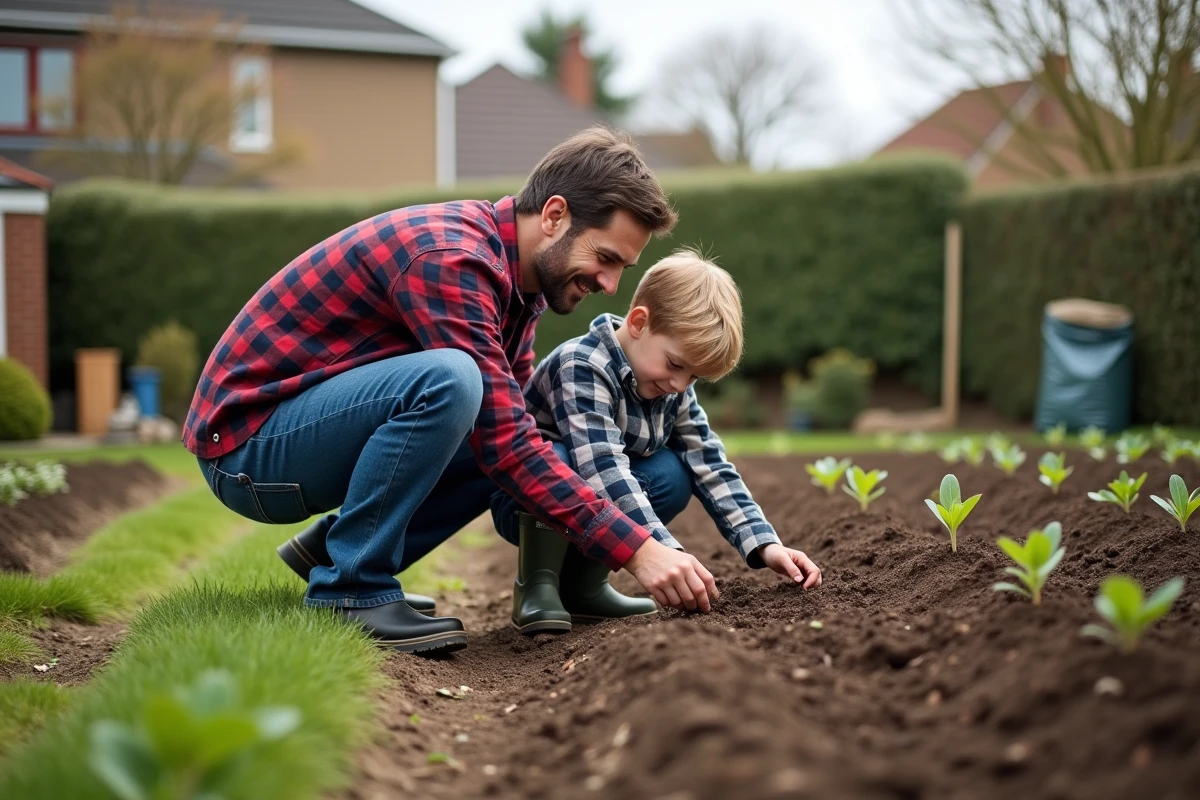
Experiment, observe, have fun: the joy of progressing in organic gardening
Starting an organic garden is much more than applying techniques. It’s about learning, season after season, to decipher the messages of life. A change in color on a leaf, the visit of an insect, the soil exhaling a particular smell after rain: everything tells something about the health of your garden. Paying attention to every nook and cranny means anticipating, correcting, adapting, and finding the right rhythm for each species.
Organic gardening thrives on diversity and exploration. Try new sowings, experiment with novel combinations, and leave room for the unexpected. A patch of aromatics here, a border of flowering plants there, a corner reserved for wildlife: each initiative strengthens the overall balance. Sharing your tips with other gardeners, exchanging successes and setbacks, enjoying the harvest with family or friends: these moments forge collective experience.
One never stops learning. A book found at the bookstore, careful reading of a blog, a few hours of online training, or exploring a specialized private site: each resource refines practice and nourishes reflection. The pleasure lies in this limitless curiosity, in the ability to marvel at the growth of a seed, in the desire to pass on to a child or neighbor this love of the earth.
Some principles for progress:
- Make experimentation a driving force: each trial, each failure, each surprise builds your experience.
- Prioritize sharing and transmission: it is the foundation of organic gardening in France.
The garden is never quite the same from one season to the next. Every seed, every action, every exchange shapes a living, renewed landscape, where the gardener’s hand is never alone but continually harmonizes with the rhythm of life.