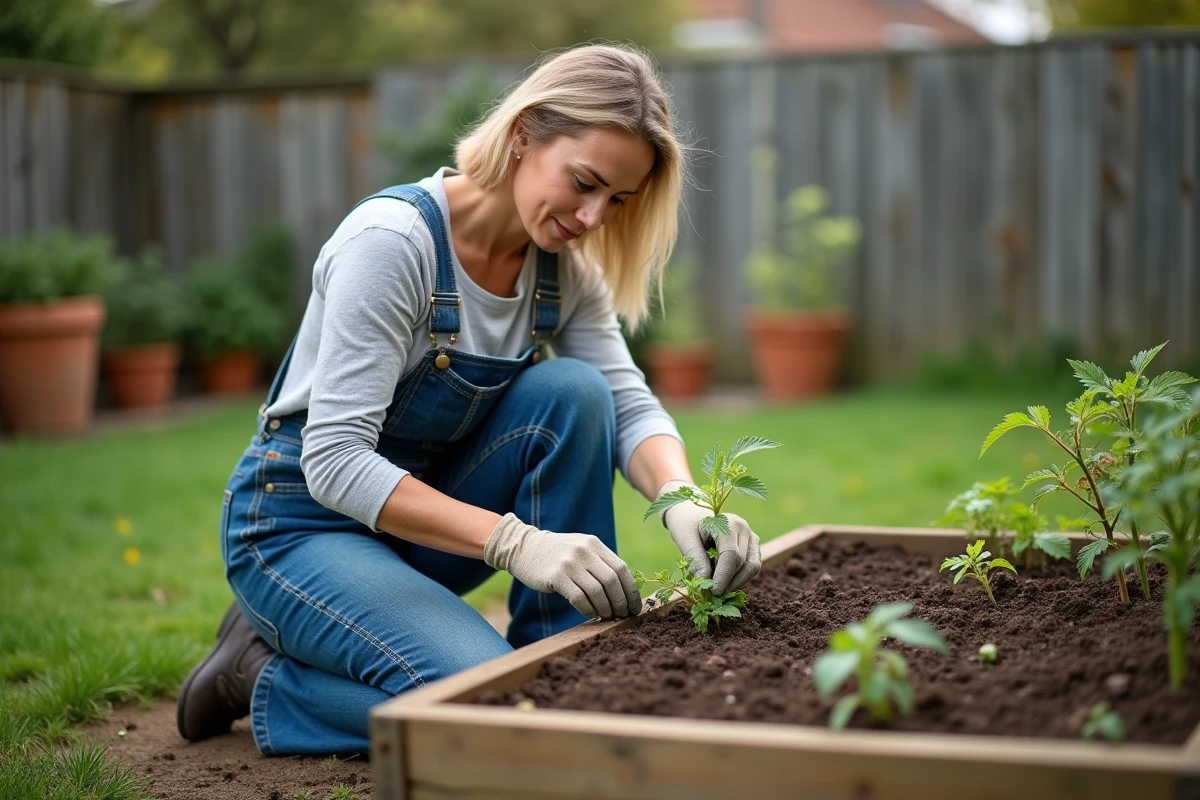
A garden that endures through the four seasons without collapsing is based on a simple principle: adapting each action to the biological cycle of the soil and plants. Successfully maintaining a garden throughout the year requires understanding a few basic mechanisms before planting anything. The soil, water, varietal choice, and intervention schedule form a system where each element influences the others.
Living soil and natural fertility: the foundation of a productive garden
Before discussing plants or watering, the quality of the soil determines the success of everything else. A compacted, depleted, or nutrient-imbalanced soil will produce poor results, regardless of the care taken afterward.
The soil functions as an autonomous ecosystem when provided with organic matter regularly. Homemade compost, composted manure, shredded leaves: these inputs nourish the soil’s fauna (earthworms, mycorrhizal fungi, bacteria) that transform raw material into nutrients that can be absorbed by the roots.
A common mistake is to resort to universal fertilizers without analyzing what is truly lacking. An excess of nitrogen, for example, stimulates leaf growth at the expense of flowering and fruiting. The leaves spread out, the stems elongate, but the flowers and fruits do not follow.
For vegetable plots as well as flower beds, adding mature compost in the fall and early spring covers most needs. Hungry vegetables (tomatoes, squashes, zucchinis) appreciate a supplement of well-decomposed manure incorporated several weeks before planting. The resources available on Info Jardinage detail these dosages according to the types of crops and the nature of the land.

Designing a water-efficient garden in the face of drought restrictions
Drought orders are multiplying and becoming more frequent in many departments in recent years. Watering restrictions are no longer an exceptional phenomenon, and this reality forces a rethink of the very design of the garden.
Watering rarely but deeply yields better results than frequent and shallow watering. Light daily watering keeps the roots near the surface, where the soil dries out the fastest. A generous watering spaced several days apart encourages the roots to go deeper in search of moisture, making the plants more resistant to heat stress.
Mulching plays a central role in this logic. A layer of organic mulch (straw, wood chips, dried grass clippings) laid on bare soil significantly reduces evaporation. It also maintains a more stable soil temperature, benefiting microbial life and the roots.
Choosing plants suited to the local climate
The trend towards water-efficient gardening also involves varietal choice. Mediterranean plants naturally tolerate heat and dry soils: lavenders, sages, rosemaries, ornamental grasses. Reducing the area of traditional lawn in favor of low-maintenance ground covers or beds of resilient perennials decreases dependence on watering.
Rainwater harvesting complements this approach. Even a basic collector connected to a downspout provides a useful volume for periods of restriction, without consuming water from the network.
Intervention schedule: when to act according to the seasons
Successfully maintaining a garden all year round does not mean gardening constantly. Each season calls for specific actions, and the right timing often makes the difference between a bountiful harvest and failure.
Spring: sowing and preparing crops
Spring concentrates most of the vegetable sowing and planting. Soil temperature is as important as air temperature: sowing tomatoes or zucchinis in still-cold soil stagnates or rots. Waiting for the soil to warm sufficiently (generally after the last frosts in the area) avoids unnecessary losses.
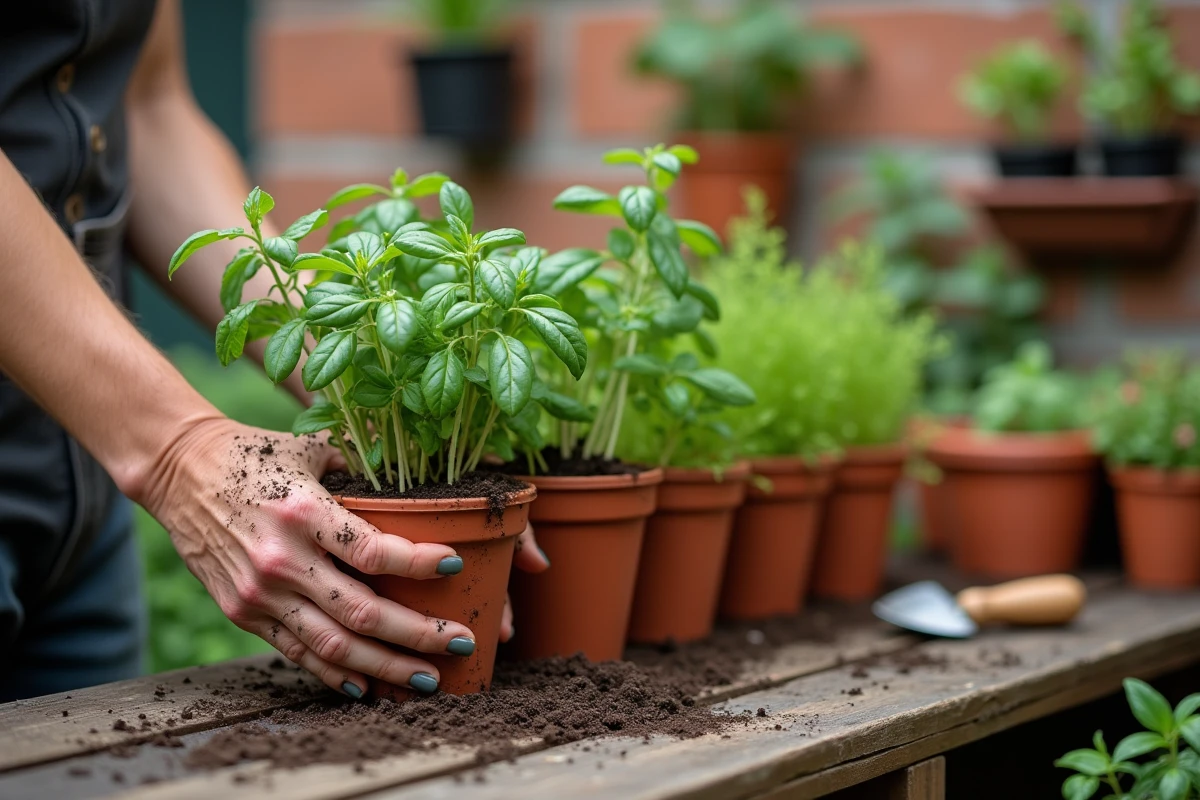
Sowing indoors or under cover allows for several weeks’ gain on the calendar. Tomatoes, peppers, and eggplants can be started in pots well before being planted in the ground.
Summer: monitoring and harvesting
Summer requires vigilance regarding watering and pest management. The vegetable garden comes into production, and regular harvesting stimulates fruiting. It is also the time when mulching proves its worth by limiting water stress.
Autumn and winter: preparing for the next cycle
Autumn is the ideal time to enrich the soil with organic matter. Fallen leaves, compost, and green manures sown on vacant plots (mustard, phacelia, rye) protect and nourish the soil during winter.
Winter remains an active season for the gardener:
- Pruning fruit trees and deciduous shrubs during their dormant period, avoiding times of intense frost
- Planning crop rotations in the vegetable garden to prevent soil depletion and the spread of diseases
- Checking and maintaining tools, cleaning stakes and pots for the next season
Structurally reducing garden maintenance through design
Most guides list tasks to be completed month by month. The reverse approach is to design the garden to require less work from the start.
Some design choices have a lasting effect on maintenance load:
- Favoring perennials over annuals: they return each year without replanting, require less water once established, and gradually cover the soil
- Combining ground cover plants in beds to limit manual weeding and protect the soil from erosion
- Grouping plants by water needs to streamline watering (dry zones on one side, thirsty zones on the other)
- Installing a drip irrigation system on the vegetable lines, which reduces waste and automates water supply
This logic of minimal-maintenance gardening does not mean a garden left to neglect. It relies on initial choices that reduce repetitive interventions, freeing up time for the actions that truly matter: observing, harvesting, adjusting.
A garden that functions well over time is a garden designed as a system. The soil nourishes the plants, the mulch protects the soil, the adapted plants reduce watering, and crop rotations in the vegetable garden preserve fertility year after year. Each action calls for another, not in urgency, but according to a rhythm aligned with the seasons and the reality of the land.